[05] Brand Department

Branding
+ Strategy.

We position brands to dominate categories — not blend into them. Strategy that drives revenue, identity that earns recall.

Module / 05 Branding & Strategy visual
[01] What we build

Brands built to own.

[02] The Thesis

Most brands compete on features. Owners compete on memory.

Product wins the trial. Position wins the next four years. The brands that compound aren’t the ones with the cleanest deck — they’re the ones whose category can’t describe itself without using their language.

Strategy isn’t the slide that opens the project. It’s the contract that decides which work gets built and which work gets cut. Naming, voice, position, hierarchy — written before a single visual exploration begins, signed before a single asset gets shipped.

What follows isn’t a portfolio. It’s a record of identities engineered to hold against gravity, weather, and scale — campaign stills from engagements where the brand had to do the heavy lifting, alone, on the edge of the frame.

— INHOUSE Strategy

[03] Campaign

Built to radiate.

Scroll. Every frame is a brand surface — campaign stills from engagements where the identity had to hold against gravity, weather, and scale.

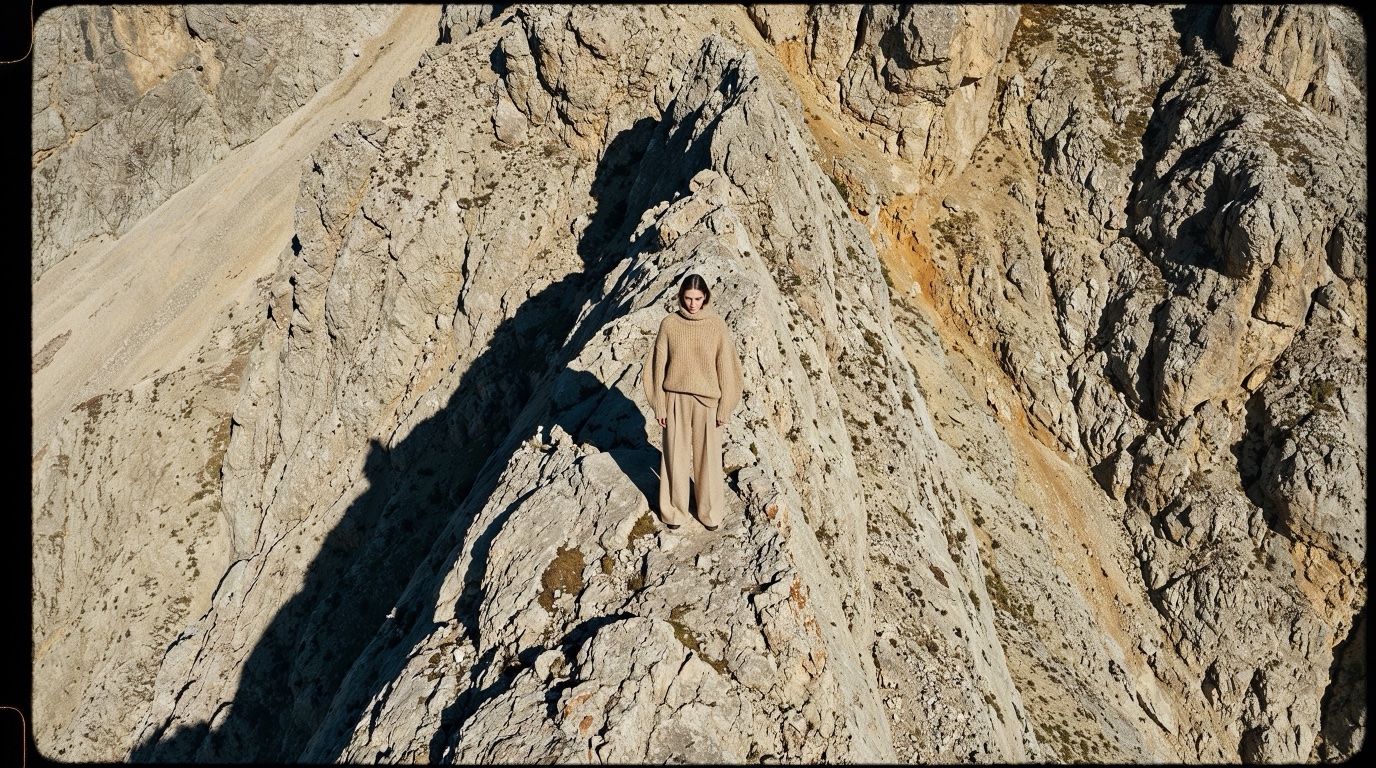
Drone shot of a model in beige cashmere on a rocky alpine ridge
Overhead shot of a model in a red puffer coat on snow
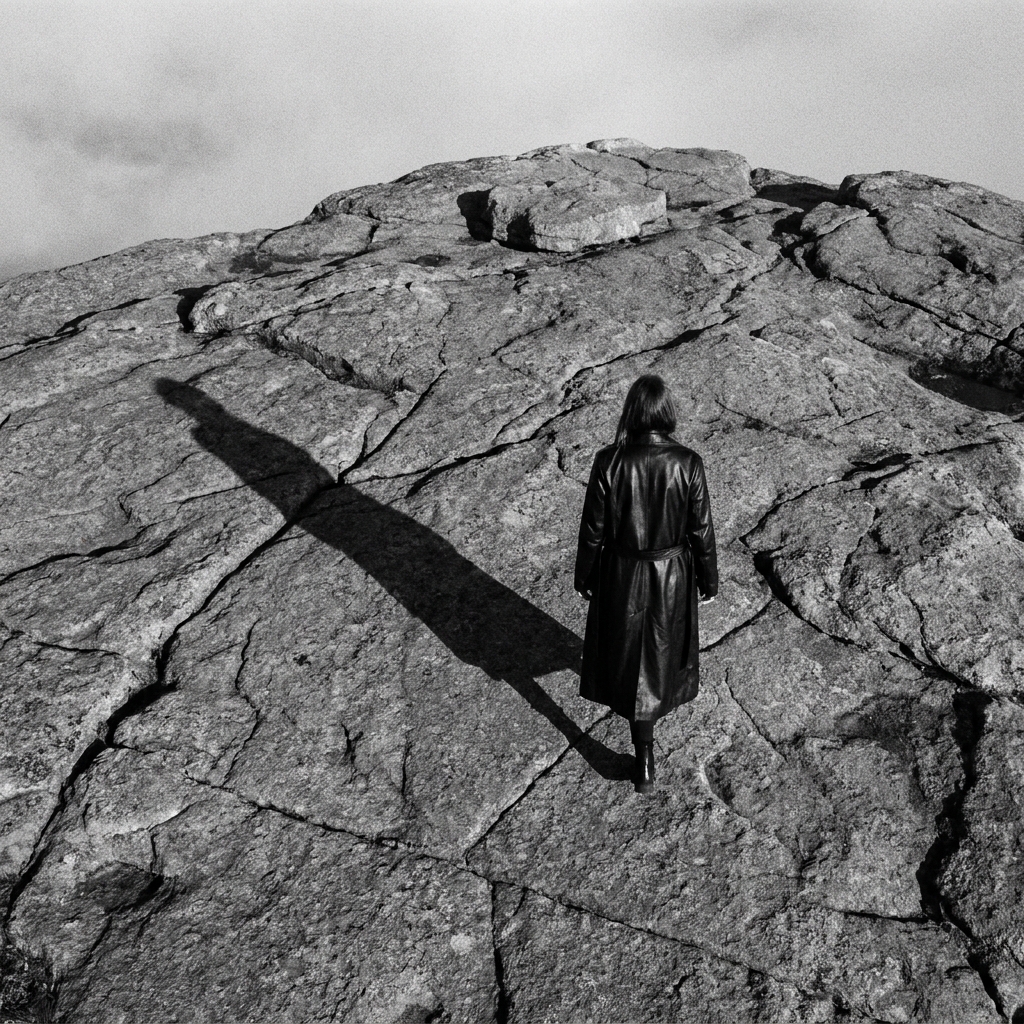
Monochrome aerial of a model in a black leather coat on rock
Aerial drone shot of a model in a long black coat on a granite summit
Model in cream cashmere seated on moss-covered mountain rock
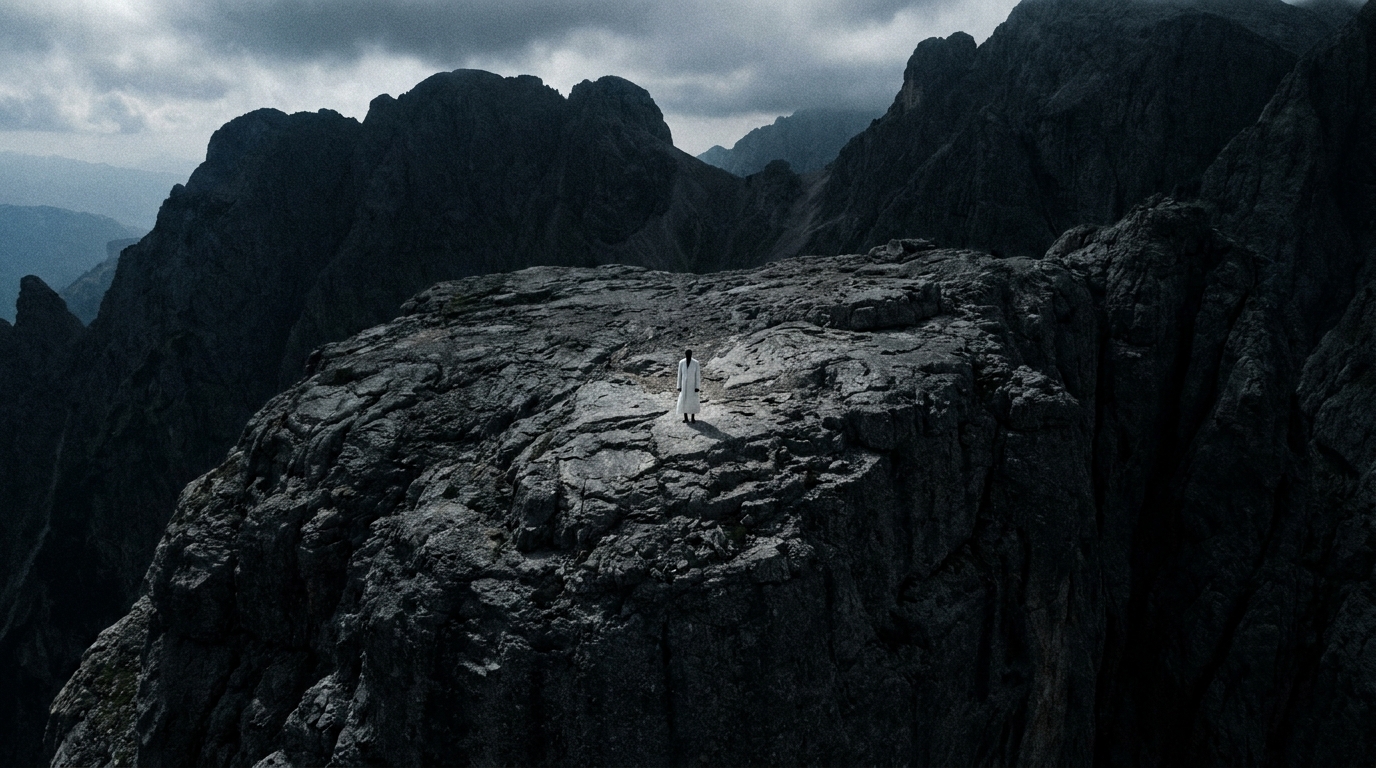
Wide high-altitude drone shot of a single white-coated figure
Two models on opposing alpine cliffs — left in oxblood couture coat, right in camel tailored coat over black turtleneck
[04] How it works

Built in four moves.

01 / Diagnose

Find the real position.

Brand audit, competitor mapping, internal interviews. We strip the deck-ware and find what your category actually believes — and where the gap is that only you can fill.

Strategy diagnostic — model on alpine ridge
02 / Define

Position before pixels.

A brand isn’t a logo. It’s the position you own in someone’s head — and most agencies skip straight to mood boards because the strategic work is harder, slower, and impossible to fake on a deck.

So we go the other way. Position statement first. Core messages second. Naming conventions, voice principles, value architecture — all signed off in writing before a single visual exploration begins.

One. The position. A single sentence the entire company can defend in a sales call, in a board meeting, in a hallway conversation. If it takes a paragraph, it isn’t a position — it’s a wishlist.

Two. The messages. The three things every customer needs to hear, in the order they need to hear them. Mapped to funnel stage. Mapped to objection. Mapped to channel.

Three. The voice. How the brand sounds in a 280-character ad, a 30-second pitch, a 60-page proposal. Tone rules that survive contact with junior copywriters.

Most rebrands fail in week six because nobody wrote down what the brand actually means. We write it down. We get it signed. Then — and only then — we open the design files.

— INHOUSE Strategy

03 / Design

Identity that ships.

Logo, type, colour, motion, asset library, component kit. Production-ready files in the formats your team actually uses — not 90-page brand bibles nobody opens twice.

Identity system in production — model on alpine cliff
04 / Deploy

Live across every surface.

Roll-out across web, ads, sales decks, product, packaging. Guidelines the team actually follows because we built them with the team that has to use them.

START THE BUILD →

"A brand isn't a logo. It's the position you own in someone's head."

— INHOUSE Strategy

Become the only brand they remember.

POSITION ME →